

Designing an outdoor space that truly works for your home and daily life requires more than picking out a few attractive features. A well-planned backyard should support how you relax, entertain, work, and spend time with others, while also fitting the physical limitations of your property. Whether you have a compact urban yard or a wide-open suburban lot, thoughtful planning allows every square foot to serve a purpose. Climate, maintenance expectations, family needs, and long-term goals all influence how successful the final result will be.
Creating a cohesive outdoor environment starts with understanding how you want the space to function. Some homeowners prioritize low-maintenance solutions, while others want flexible areas that can evolve. Budget, zoning regulations, and environmental considerations also shape what is possible. By making informed decisions and working through each phase strategically, homeowners can avoid costly mistakes and ensure their outdoor space remains useful for years to come.
The following sections explore essential considerations involved in shaping an outdoor space that reflects both lifestyle and practicality. Each topic addresses a different layer of planning that contributes to a well-rounded, functional yard designed for everyday living.
Planning for Cleanliness, Waste Management, and Daily Use
A functional outdoor space must remain clean, organized, and easy to maintain throughout the year. When homeowners think about creating a backyard, waste management is often overlooked until it becomes a problem. Yard debris, packaging from outdoor projects, seasonal cleanups, and gatherings can all generate waste that needs to be handled efficiently. Without a plan in place, clutter can quickly detract from the usability and appearance of the space.
Integrating reliable garbage collection services into your planning helps ensure that outdoor living does not become a maintenance burden. Regular pickup schedules allow homeowners to manage debris from landscaping, outdoor renovations, and routine upkeep without resorting to unsightly storage solutions. For properties that generate larger volumes of waste, coordinating container placement or temporary collection options can prevent overflow and pest issues.
Cleanliness also extends beyond trash removal. Storage areas for bins, tools, and supplies should be positioned strategically to remain accessible but discreet. Enclosures, fencing, or natural screening elements can help hide functional areas while maintaining visual appeal. Thoughtful placement reduces odors, minimizes wildlife interference, and keeps pathways clear.
A clean environment supports safety and comfort. Walkways free of debris reduce trip hazards, while organized storage limits accidental damage to equipment. Over time, consistent waste management protects surfaces, plantings, and structures from unnecessary wear. By addressing these needs early, homeowners ensure their outdoor space remains enjoyable rather than becoming a source of frustration.
Protecting Soil Health and Managing Underground Systems
Many essential backyard systems are hidden below the surface, yet they play a major role in long-term functionality. When creating a backyard, understanding what lies underground is critical to avoiding costly disruptions later. Drainage lines, utility connections, and waste systems all influence where structures, gardens, and hardscaping can safely be placed.
Properties that rely on septic systems require particular attention. Working with a septic pumping company helps homeowners maintain system performance and avoid contamination issues that can affect both soil health and usability. Regular maintenance prevents backups, odors, and environmental hazards that could restrict how the yard is used. Knowing the exact location of septic components allows planners to design around them responsibly.
Soil quality is another foundational concern. Compacted or poorly draining soil can undermine patios, plantings, and structures over time. Testing soil conditions and understanding load-bearing limits ensures that installations remain stable. In areas with sensitive ecosystems, improper planning can lead to erosion, runoff problems, or contamination.
Thoughtful underground planning also supports future flexibility. Leaving access points clear and maintaining proper setbacks allows for system upgrades or repairs without disrupting surface features. By respecting what exists beneath the ground, homeowners protect both their investment and the surrounding environment while preserving the full functionality of their outdoor space.
Coordinating Structural Elements for Long-Term Durability
A backyard often includes multiple structures that must work together visually and functionally. When creating a backyard that lasts, coordination between different construction elements is essential. Rooflines, overhangs, drainage paths, and surface materials all interact, even when they belong to separate projects.
Consulting with local roofing companies can be valuable when outdoor structures connect to or sit near the main home. Pergolas, covered patios, and outdoor kitchens may require roofing considerations that impact water flow and structural integrity. Proper integration prevents leaks, foundation damage, and premature wear caused by improper runoff management.
Consistency in materials and design strengthens durability. Matching slopes, compatible materials, and aligned drainage systems reduces stress on structures during heavy weather. In regions with snow, wind, or intense sun exposure, coordinated planning becomes even more important to prevent seasonal damage.
Structural harmony also supports visual cohesion. A backyard feels more intentional when its built elements complement the home rather than competing with it. This balance enhances property value and improves everyday enjoyment. Durable construction choices ensure that the space remains safe, attractive, and functional over time, reducing the need for frequent repairs or replacements.

Building Strong Foundations for Hardscapes and Surfaces
Hardscaping provides the framework that defines how a backyard is used. Patios, walkways, retaining walls, and seating areas shape movement and create usable zones. When creating a backyard, these features must be built on solid foundations to prevent shifting, cracking, or drainage problems.
Working with local concrete contractors helps ensure that surfaces are installed correctly for the specific conditions of the property. Proper grading, reinforcement, and curing techniques are essential for longevity. Concrete elements that are poorly installed can deteriorate quickly, undermining both safety and aesthetics.
Beyond durability, hardscapes influence how space is experienced. Smooth transitions between areas improve accessibility, while a thoughtful layout supports different activities without overcrowding. Concrete can also be finished in ways that complement natural surroundings, balancing function with visual appeal.
Strong foundations reduce long-term maintenance demands. Well-built surfaces resist weather damage and support consistent use throughout the year. By investing in quality installation from the start, homeowners create a reliable base that supports the rest of their outdoor design.
Sourcing Materials That Support Sustainable Design Choices
Material selection plays a significant role in both appearance and performance. When creating a backyard, choosing the right supplies ensures that design goals align with environmental and practical considerations. Availability, durability, and compatibility all matter when sourcing materials.
Access to local landscape supplies allows homeowners to select materials suited to regional conditions. Locally sourced stone, soil, mulch, and aggregates often perform better because they are adapted to the climate. Using appropriate materials reduces the risk of erosion, plant failure, and premature degradation.
Sustainable sourcing also minimizes transportation impacts and supports responsible land use. Selecting materials that require less maintenance conserves resources over time. Native or regionally appropriate options often integrate more seamlessly into the surrounding environment, enhancing both function and aesthetics.
Material choices affect drainage, temperature regulation, and overall usability. Thoughtful selection ensures that the backyard remains comfortable, resilient, and aligned with long-term goals. By prioritizing quality and suitability, homeowners create a space that works naturally rather than fighting against environmental conditions.

Integrating Power and Utility Access Safely
Modern outdoor spaces often require electrical access for convenience and functionality. When creating a backyard, planning for power needs ensures that lighting, appliances, and tools can be used safely and efficiently. Improper installations can pose safety risks and limit future upgrades.
Collaborating with residential electricians helps homeowners design systems that meet code requirements and support long-term use. Properly installed outlets, circuits, and grounding protect users while accommodating evolving needs. Electrical planning should account for current features and potential expansions.
Utility integration also improves usability. Convenient access to power allows outdoor spaces to function as extensions of the home. Whether for cooking, working, or entertaining, reliable electrical systems support a wider range of activities. Safety remains the priority. Weather-resistant components, proper placement, and professional installation reduce the risk of hazards. By addressing electrical needs early, homeowners ensure that their outdoor space remains flexible, functional, and secure.
Expanding Living Space Through Elevated Structures
Decks and raised platforms provide valuable square footage and define outdoor living areas. When creating a backyard that accommodates gatherings and relaxation, elevated structures offer flexibility and visual interest. Their design must balance load requirements, access, and integration with the surrounding landscape.
Working with deck contractors ensures that these structures are built to support consistent use and environmental exposure. Proper footing, material selection, and railing design contribute to safety and longevity. Well-constructed decks can adapt to uneven terrain while maximizing usable space.
Elevated areas create distinct zones for dining, lounging, or observation. They can also improve views and airflow, enhancing comfort. Thoughtful design ensures smooth transitions between levels, maintaining accessibility for all users.By adding vertical dimension, decks expand how a backyard can be used without increasing its footprint. This approach is especially valuable on smaller properties where efficient use of space is essential.

Defining Boundaries and Enhancing Privacy
Clear boundaries help outdoor spaces feel secure and intentional. When creating a backyard that supports relaxation and privacy, defining edges is an important step. Fencing and boundary features establish zones while contributing to safety and aesthetics, especially in shared or closely spaced neighborhoods.
Engaging fence builders allows homeowners to choose designs that suit both functional and visual goals. Fence height, material, and placement influence privacy, noise reduction, and security. Proper installation ensures durability and compliance with local regulations while supporting long-term performance.
Boundaries also guide movement and usage. Defined edges help organize space, separating active areas from quiet retreats. This structure supports diverse activities without conflict and helps maintain a sense of order throughout the yard. Privacy enhances comfort and encourages regular use. When boundaries are thoughtfully designed, the backyard becomes a personal retreat rather than an exposed extension of the property, promoting relaxation and peace of mind.
Creating Atmosphere and Extending Usability After Dark
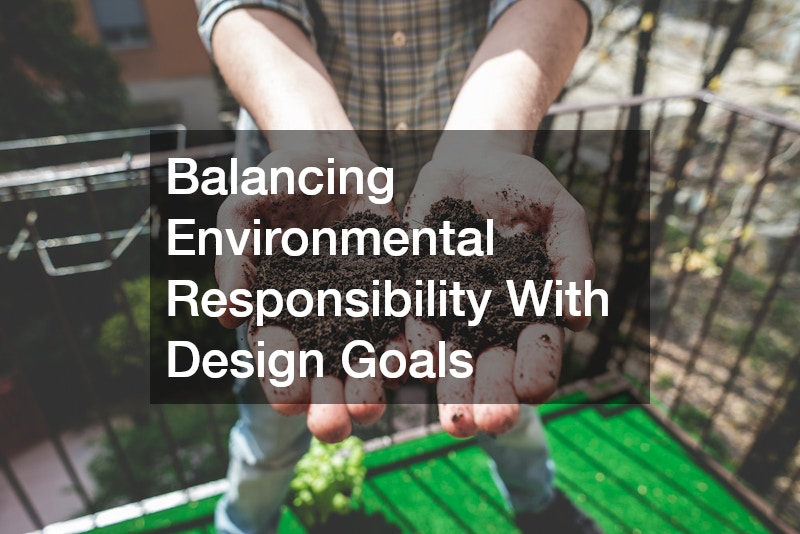
Balancing Environmental Responsibility With Design Goals
Environmental considerations are increasingly important in outdoor planning. When creating a backyard, understanding how design choices impact the surrounding ecosystem supports responsible use of resources. Research and assessment guide decisions that minimize negative effects.
Applying insights from environmental fate studies helps homeowners evaluate how materials, chemicals, and water use affect soil and nearby systems. This knowledge supports choices that reduce runoff, contamination, and long-term damage.
Environmentally conscious design often aligns with practical benefits. Healthy soil, efficient water use, and appropriate plant selection reduce maintenance demands. These strategies also contribute to resilience against weather extremes. By balancing design ambitions with environmental responsibility, homeowners create outdoor spaces that function harmoniously within their surroundings. This approach supports sustainability while maintaining comfort and usability.
A successful outdoor space reflects thoughtful planning, responsible choices, and a clear understanding of how the area will be used. Creating a backyard that fits both lifestyle and space requires attention to details that extend beyond surface-level design. By addressing functional systems, structural integrity, material selection, and environmental impact, homeowners can develop an outdoor environment that remains adaptable, comfortable, and enjoyable for years to come.